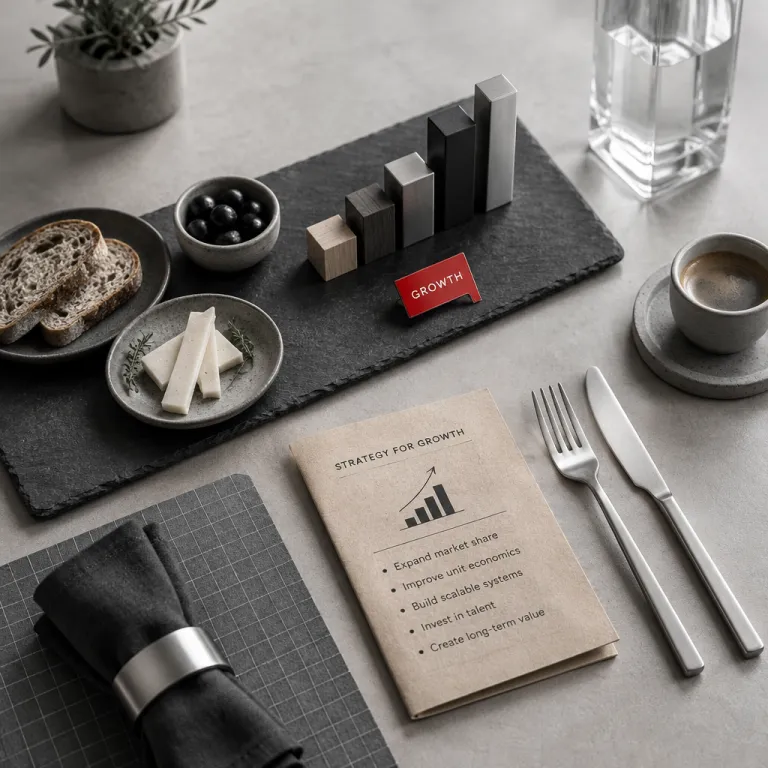
Why a strategic startup lunch belongs on the CEO agenda
A well designed startup lunch can become a cultural operating system. When you, as CEO, turn a simple lunch into a recurring strategic event, you create a visible arena where founders, executives, and rising leaders align on tech, market, and culture in one room. That single lunch can quietly influence how your startup ecosystem thinks about ambition, risk, and accountability.
Think of a weekly lunch club that brings together your internal founders club, product leaders, and selected investors for one focused hour. The format is simple but powerful: one battery startup presents a five minute pitch, another startup shares a failed application for a venture program, and then the group debates what the market is really signaling. This kind of startup lunch makes culture tangible, because people see how you react to bad news, bold bets, and uncomfortable science based trade offs.
For a CEO, the question is not whether to host a lunch or multiple events. The real question is how to architect a startup lunch so that every Tuesday session, every week, will reinforce the behaviors you want your founders and managers to copy. When you treat each event as a cultural product, you stop running random events online and start running a deliberate culture program.
Designing a culture first startup lunch format that scales
The most effective startup lunch formats are intentionally constrained. You set a clear rule that every lunch has one strategic theme, one startup pitch, and one explicit cultural behavior you want people to practice, such as constructive challenge or transparent failure sharing. This keeps the event focused while still giving space for networking and informal debate.
Many CEOs now use a recurring Tuesday startup lunch as a live extension of their digital culture tools. If your organisation already runs an employee engagement mobile app, you can turn it into a CEO level culture engine by using it to collect questions before the lunch, run quick polls during the event, and share decisions after the session. This way, the lunch club becomes the visible tip of a deeper culture program that runs every week and connects on site and events online participants.
To keep the format scalable, define a simple application form for teams that want to present at the startup lunch. Ask them to fill application details about their tech, their market hypothesis, and what kind of feedback they want from investors or angel investors in the room. Over time, this creates a pipeline of pitches, a rhythm of events, and a shared understanding that the founders club is a place where people bring real data, not theatre. A practical template might include fields for problem statement, target customer, traction metrics, key risks, and one specific learning goal for the session.
Using startup lunch rituals to hard wire inclusive culture
A CEO who treats each startup lunch as a culture lab can hard wire inclusion into daily practice. You can rotate who hosts the lunch, ensure that founders and operators from underrepresented groups lead some of the pitches, and use structured networking to help quieter voices connect with senior leaders. This turns a simple lunch into a visible signal that your startup ecosystem values breadth of perspective, not just speed.
One practical move is to design the lunch club seating plan to mix functions, seniority levels, and different startups or business units. When a battery startup engineer sits next to a marketing lead and an investor, the conversation naturally spans tech, market positioning, and customer reality. To reinforce this, you can run a short cultural marketing exercise, inspired by best practices for building inclusivity through effective cultural marketing strategies, and ask each table to frame a more inclusive pitch for a new venture or program.
Inclusivity also depends on how people join and how they will be heard. Instead of letting only the loudest founders dominate the event, you can use a simple digital application form where participants send email questions in advance, then read a curated mix during the lunch. Over several weeks, this ritual shows that every investor, every startup, and every employee voice matters, which is exactly the culture signal a growth focused CEO needs.
Turning investor conversations at startup lunch into culture shaping moments
When investors attend your startup lunch, they do more than evaluate a pitch. Their questions, their language about risk, and their reactions to setbacks all shape how your founders and managers think about performance. As CEO, you can curate which investor or angel investors you invite so that the cultural message aligns with your long term strategy, not just short term valuation.
Consider a recurring Tuesday session where one startup presents a five minute pitch to a small panel of investors, followed by ten minutes of open questions from the room. You can brief the investor panel in advance to focus on learning, not only on market size or exit scenarios, and to share examples of ventures that pivoted successfully after a failed application to a program. This transforms the event from a high pressure audition into a shared learning experience that still respects the seriousness of venture capital.
To make these moments repeatable, define a simple playbook for every startup lunch that involves investors. Clarify how founders should connect with investors after the event, whether they should send email follow ups, and how to avoid side deals that bypass your governance. Over time, your founders club will internalise that investor conversations are part of a transparent culture, not a shadow market running parallel to your official strategy.
Embedding governance, ethics, and science based thinking into weekly rituals
A strategic startup lunch is also a powerful place to normalise governance and ethics. You can dedicate one lunch each month to topics such as data privacy, responsible AI, or labour regulations, and invite legal or policy experts to join the discussion. This shows that your culture treats compliance as a shared responsibility, not a back office constraint.
For example, you might host a session on paid time off governance and use it to explain how your board thinks about fairness, risk, and long term retention. A resource such as this guide on what every CEO needs to know about North Carolina PTO payout laws and governance can inform your talking points, even if your operations span multiple regions. When people see governance discussed openly at a lunch club, they understand that ethical trade offs are part of everyday leadership, not rare boardroom events.
Science based thinking also belongs at the startup lunch table. You can invite a data science lead to explain how application performance metrics, battery startup efficiency data, or customer churn analytics influence which ventures you fund and which programs you stop. Over time, a weekly or bi weekly event where people debate evidence, not just opinions, will anchor your culture in disciplined experimentation rather than anecdote driven decisions.
Operationalising the startup lunch as a repeatable CEO level system
To move beyond ad hoc events, treat your startup lunch as a formal operating mechanism. Assign an owner, define clear objectives, and track a small set of KPIs such as cross functional connections created, follow up projects launched, or investor meetings scheduled. This elevates the lunch from a social gathering to a measurable culture engine.
Start with a simple quarterly calendar that outlines which week will focus on tech deep dives, which week will highlight new ventures, and which week will feature external investors or angel investors. Publish this calendar so that founders, product teams, and corporate functions can plan their pitches and fill application slots in advance through a standardised application form. When people know that every Tuesday or every second week will bring a specific theme, attendance rises and the quality of pitches improves.
Finally, make it easy for people to join, connect, and follow up after each event. Use a shared channel where participants can send email summaries, post links to events online, and flag which startup or program they want to support. If some executives prefer to skip content during busy periods, record the key segments and share short recaps, so the cultural signal from each startup lunch still reaches the broader leadership community.
Key statistics every CEO should know about culture and founder engagement
- Gallup research on employee engagement has repeatedly found that highly engaged business units tend to achieve meaningfully higher profitability than low engagement units, which underscores why a well run startup lunch can be a serious performance lever rather than a soft perk.
- Analysis by firms such as McKinsey has reported that organisations with strong, adaptive cultures are significantly more likely to deliver above average financial performance, suggesting that recurring culture rituals such as a founders club lunch club can materially influence enterprise value.
- Data from entrepreneurship research, including work by the Kauffman Foundation, indicates that a large majority of successful high growth startups report having at least one strong mentor or investor relationship early on, which validates the role of curated investor networking at a weekly or monthly startup lunch.
- Studies by Deloitte and others show that inclusive companies are more likely to be innovation leaders in their market, highlighting why CEOs should use each startup lunch event to embed inclusive behaviours into everyday founder and investor interactions.
FAQ about using startup lunch formats to shape culture
How often should a CEO host a strategic startup lunch ?
Most CEOs find that a weekly or bi weekly startup lunch strikes the right balance between momentum and overload. A recurring Tuesday session works well because it sits early enough in the week to influence decisions, yet late enough to gather fresh data from the previous week. The key is to keep the format consistent so that founders, investors, and internal teams can plan around the event.
Who should be invited to the startup lunch to maximise cultural impact ?
A high impact lunch usually includes a mix of founders, product and tech leaders, selected investors or angel investors, and a few cross functional partners such as legal or HR. Rotating attendance helps more people connect with the founders club while keeping each event intimate enough for real debate. Over time, you can build a core group that joins most weeks and a wider circle that attends specific themed events.
How can a CEO prevent the startup lunch from becoming just another meeting ?
The most effective safeguard is a clear design for each lunch, with a defined theme, a single pitch, and explicit cultural behaviours to practice. You can require teams to fill application details in an application form that forces them to articulate their market hypothesis, tech edge, and learning goals. By publishing outcomes and follow ups after each event, you signal that the lunch is a decision making forum, not a casual happy hour.
What is the best way to integrate remote teams into the startup lunch ?
Hybrid formats that combine an in person lunch club with events online work well for distributed startups. You can stream the pitch, use digital tools for Q&A, and create virtual breakout rooms so remote founders and investors can connect with on site participants. Recording the core discussion also helps colleagues who need to skip content during busy periods stay aligned with cultural signals.
How should CEOs measure the success of a startup lunch program ?
Useful metrics include the number of cross functional connections created, follow on projects or ventures launched after pitches, and the volume of investor interest generated for each startup. You can also track qualitative feedback about culture, such as whether people feel safer raising risks or challenging assumptions after several weeks of the program. When these indicators trend positively, you know the startup lunch is becoming a genuine culture engine rather than a symbolic event.